
Remodel or Refresh? How to Know When Your Kitchen Needs an Upgrade
April 9, 2026
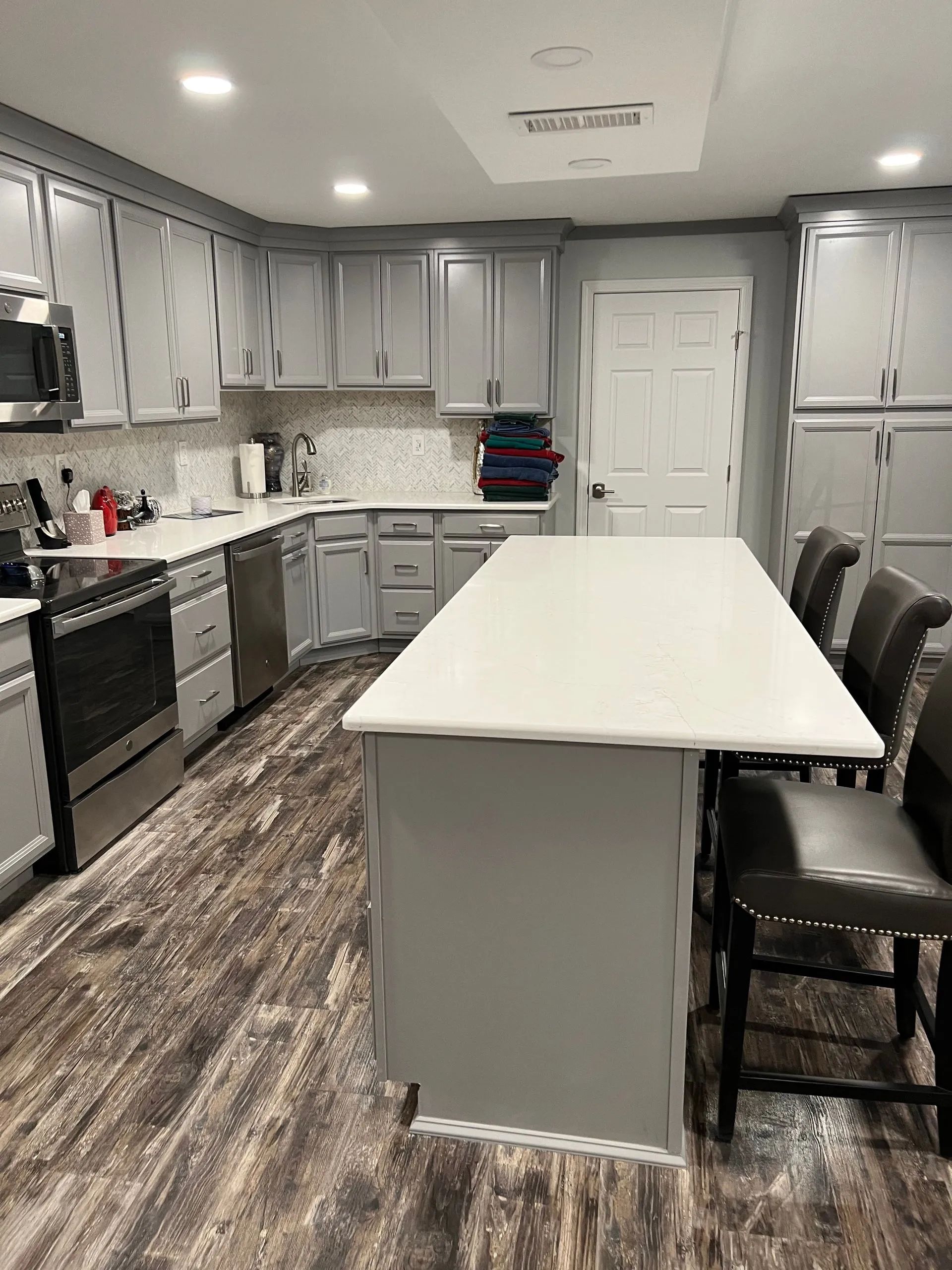
The kitchen has always been more than just a place to prepare meals. It serves as the heart of a home, a gathering spot for family and friends, and a reflection of style and functionality. Over time, however, kitchens can show signs of wear, outdated design, or lack of efficiency, prompting the question: is it time to remodel or simply refresh? Understanding the difference between a full-scale renovation and a minor update is essential for homeowners looking to enhance both aesthetics and practicality without overspending. A thoughtful approach ensures that investments not only improve daily living but also create a space that inspires creativity, comfort, and connection. Considering both current lifestyle needs and future aspirations can guide decisions that make the kitchen a space that truly feels renewed.
Determining when a kitchen needs an upgrade requires careful assessment of multiple factors, from appliance performance to layout efficiency. Some issues may demand a complete remodel, while others can be addressed with simple updates like refinishing cabinets, changing countertops, or updating hardware. Making the right choice impacts not only the home’s appearance and functionality but also its long-term value. With kitchens often representing a significant portion of a home's worth, knowing how to evaluate current conditions, identify problem areas, and implement effective solutions ensures a balance between investment, style, and usability. By considering workflow, storage, safety, and emerging trends, homeowners can make informed decisions that enhance both day-to-day convenience and overall home appeal.
Signs Your Kitchen Needs Attention
Functional Wear and Tear
Kitchens endure heavy use, from daily meal preparation to hosting gatherings. Over time, cabinets may sag, drawers stick, and countertops accumulate scratches or stains. Appliances, even when well-maintained, can lose efficiency or fail to meet modern energy standards. A kitchen struggling with functional issues can create daily frustration, slowing down cooking tasks and limiting usability. If plumbing fixtures drip, flooring warps, or lighting fails to illuminate work areas effectively, these are strong indicators that a refresh may no longer suffice and a more comprehensive remodel could be necessary.
Outdated Design and Layout
A kitchen that feels cramped, cluttered, or poorly organized may indicate the need for a design overhaul. Layout inefficiencies, such as inaccessible storage, awkward appliance placement, or limited counter space, impact workflow and can make even simple tasks cumbersome. Trends in kitchen design evolve, and while aesthetics alone should not dictate decisions, dated cabinetry, color schemes, and finishes can make a space feel tired. If the kitchen no longer aligns with contemporary needs or personal style preferences, evaluating options for a remodel can enhance both appearance and functionality.
Safety Concerns
Kitchens with electrical issues, faulty wiring, or deteriorating flooring present safety hazards. Loose tiles, worn-out rugs, or slippery surfaces can increase the risk of accidents. Additionally, older appliances may lack safety features found in modern models. Recognizing these concerns early is crucial, as addressing them during a remodel prevents future problems, ensures compliance with current safety standards, and protects the household.
Refreshing the Kitchen – Small Updates with Big Impact
Cabinet and Hardware Upgrades
A simple cabinet refinish or paint job can dramatically change the look of a kitchen without the need for a full remodel. Updating hardware, such as knobs, pulls, and hinges, adds a modern touch and enhances functionality. Open shelving or glass-front cabinets can create a sense of openness and display favorite dishware, balancing aesthetics with practicality. These updates are cost-effective solutions that breathe new life into a space without structural changes.
Countertops and Backsplashes
Replacing worn countertops with durable, stylish options such as quartz, granite, or butcher block can refresh the kitchen instantly. A new backsplash introduces visual interest and allows for creative expression through patterns, textures, or color schemes. Even smaller additions, like peel-and-stick tiles, can provide a modern feel while remaining budget-friendly. Selecting materials that are both functional and visually appealing enhances the overall experience of using the kitchen.
Lighting and Fixtures
Proper lighting improves visibility and transforms ambiance. Upgrading to energy-efficient LED fixtures, pendant lighting over islands, or under-cabinet lights enhances task efficiency and aesthetic appeal. Replacing outdated faucets, sinks, or plumbing fixtures also refreshes the kitchen’s appearance while improving functionality. These adjustments are relatively simple but deliver a noticeable difference in comfort and style.
Flooring Updates
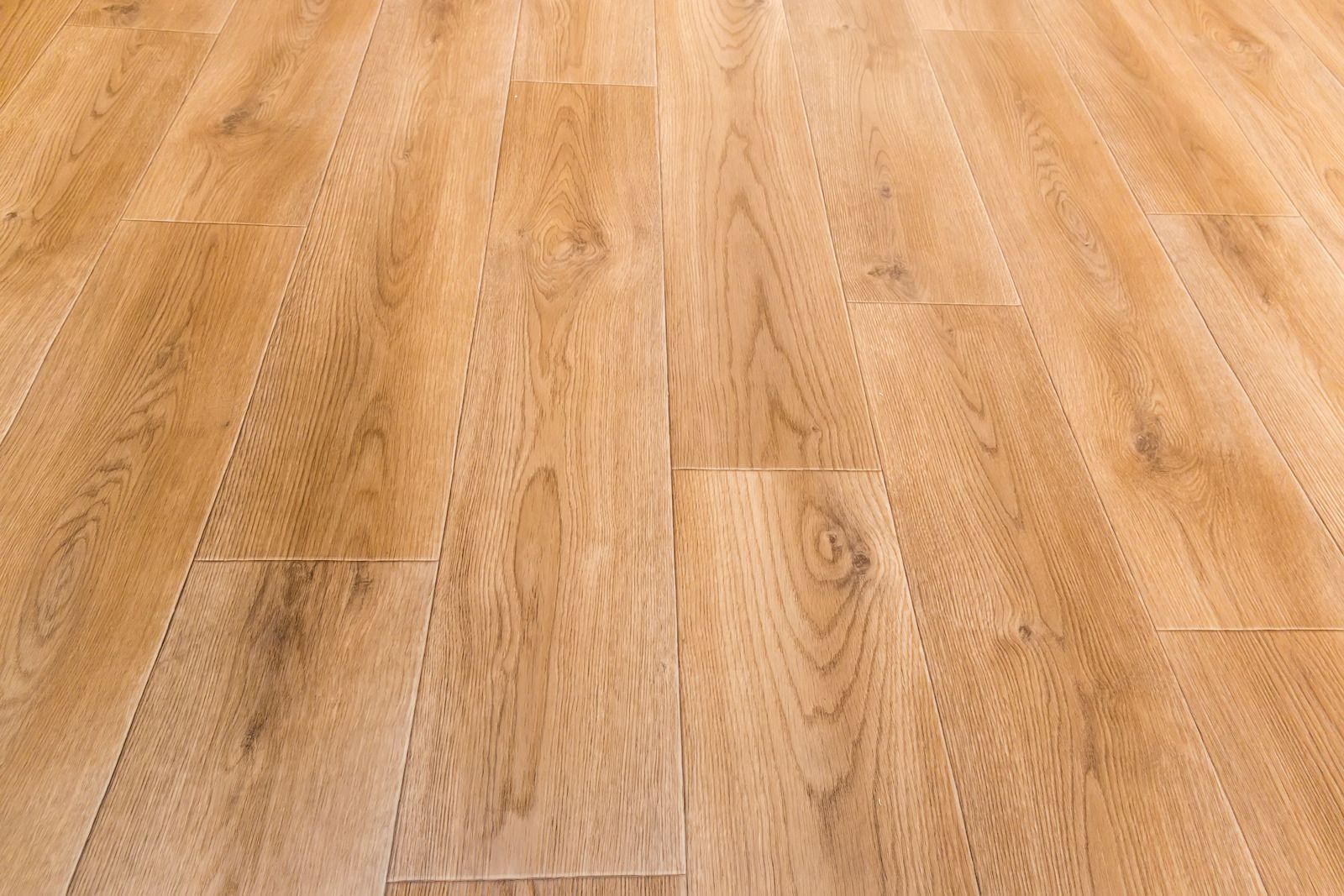
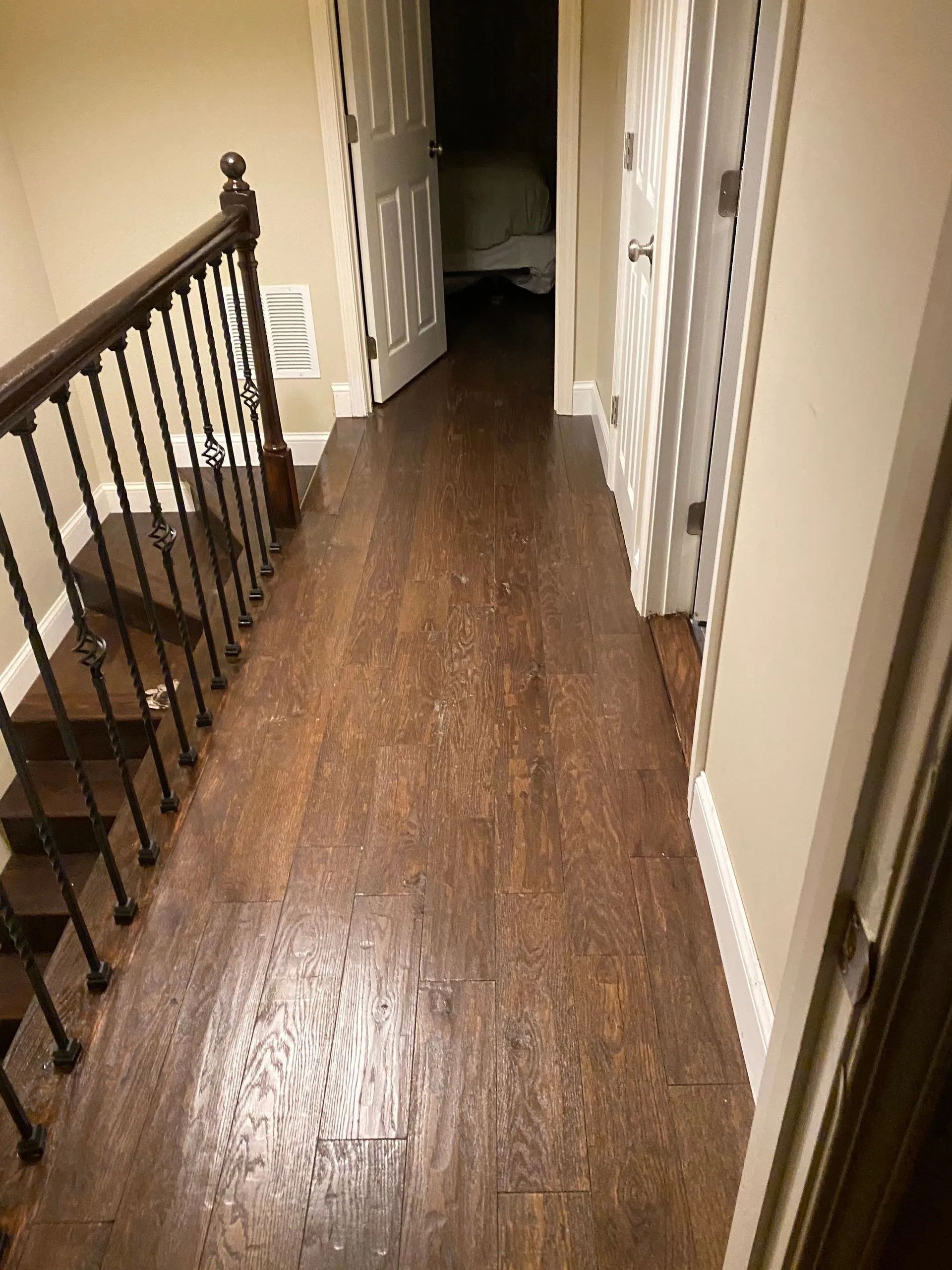
Refinishing or replacing worn floors revitalizes the kitchen’s foundation. Options like hardwood, tile, or luxury vinyl planks provide durability and aesthetic versatility. A refreshed floor supports overall kitchen hygiene, complements other updates, and significantly improves the perception of the space. These updates can often be completed without major disruption, making them an attractive choice for homeowners seeking visible improvements without extensive remodeling.
When a Remodel Becomes Necessary
Structural and Layout Changes
Certain issues cannot be solved with minor updates. If the kitchen layout hampers movement or functionality, a remodel is the most effective solution. Expanding counter space, adding an island, or reconfiguring the placement of appliances and storage areas requires structural changes. These adjustments enhance efficiency, accommodate multiple users, and improve workflow according to the work triangle principle—placing the stove, sink, and refrigerator in optimal proximity for daily tasks.
Aging Appliances and Systems
Older kitchens may house appliances that are no longer energy-efficient or compatible with modern needs. Upgrading to energy-efficient models reduces utility costs and ensures reliable performance. Similarly, outdated plumbing, wiring, and HVAC systems may require replacement during a remodel. Incorporating modern systems prevents recurring maintenance issues, ensures safety, and aligns the kitchen with current standards.
Expanding Capacity and Accessibility
Remodels provide opportunities to address storage limitations, accessibility challenges, and space constraints. Pull-out shelves, built-in organizers, and smart storage solutions maximize functionality. A full remodel can also accommodate accessibility needs, such as lower countertops, wider aisles, or ergonomic designs for all household members. Investing in a remodel with long-term usability in mind enhances both convenience and property value.
Modern Design Integration
A remodel allows integration of modern design trends and technologies, from touchless faucets to smart appliances and sustainable materials. These enhancements elevate the kitchen’s style, energy efficiency, and overall experience. Unlike a simple refresh, a remodel can address fundamental design flaws, optimize space, and create a cohesive, contemporary environment tailored to lifestyle preferences.
Evaluating Cost vs. Value
Budget Considerations
Determining whether to refresh or remodel often hinges on budget. Refreshing cabinets, countertops, and lighting is generally more affordable, requiring lower labor and materials costs. A remodel, however, represents a significant investment, encompassing structural modifications, new appliances, flooring, and labor. It is essential to balance cost with anticipated benefits, focusing on long-term improvements rather than short-term visual appeal.
Return on Investment (ROI)
Remodeling kitchens typically yields higher ROI in terms of home resale value. Studies indicate that kitchen renovations provide one of the highest returns for home improvement projects. Conversely, a refresh may provide aesthetic enhancement and functional updates without dramatically increasing property value. Understanding the trade-off between cost, functionality, and potential ROI guides informed decision-making.
Prioritizing Needs and Goals
Establishing clear goals is essential. Refreshing may suffice if the kitchen is structurally sound, appliances function reliably, and minor cosmetic updates can achieve the desired effect. A remodel is justified when the goal is substantial improvement in functionality, modernization, or accessibility. Aligning actions with priorities ensures that investment directly enhances the kitchen’s usability, aesthetics, and value.
Making the Decision – Refresh or Remodel?
Identifying Critical Indicators
Critical indicators favoring a remodel include persistent functional issues, inefficient layouts, outdated appliances, structural limitations, and safety concerns. If daily use exposes recurring problems that disrupt workflow or compromise safety, a remodel is the most effective solution. Conversely, if issues are primarily cosmetic—worn finishes, minor scratches, outdated fixtures—refreshing provides a practical and cost-effective path to improvement.
Weighing Long-Term Benefits
Long-term benefits should guide decision-making. A remodel enhances usability, increases home value, and integrates modern design and technology. A refresh boosts aesthetics and functionality at a lower cost but may not resolve underlying structural or system deficiencies. Evaluating the kitchen in terms of lifespan, utility, and future maintenance needs ensures investment aligns with personal goals.
Strategic Planning and Expert Consultation
Engaging experienced professionals for consultation provides clarity. Expert evaluation helps distinguish between superficial issues and structural limitations, enabling informed choices. Strategic planning considers layout optimization, material selection, budget allocation, and timeline management. With a clear roadmap, the kitchen transformation achieves both aesthetic appeal and functional excellence.
Professional Insights for Long-Lasting Kitchen Improvements
Deciding between a kitchen refresh and a full remodel requires careful assessment of functionality, aesthetics, safety, and long-term goals. Signs like inefficient layouts, aging appliances, safety concerns, and structural limitations typically point to a remodel, while cosmetic updates and minor wear often indicate that a refresh is sufficient. Evaluating priorities, budget, and anticipated ROI ensures that investments yield meaningful improvements and long-lasting satisfaction.
At Flooring Plus LLC
in Hollis, NH, over 20
years of experience in kitchen and flooring solutions provides a strong foundation for helping homeowners navigate these choices confidently. Specializing in high-quality materials, expert installation, and personalized guidance, our approach ensures every
kitchen upgrade—whether a simple refresh or comprehensive remodel—maximizes functionality, style, and value. Trust in our proven expertise to transform kitchens into spaces that combine practicality, modern design, and enduring quality, delivering results that enhance daily living and long-term property worth.