
How to Plan Your Perfect Outdoor Space: Hardscape Design Tips That Add Value
March 9, 2026
Creating an outdoor space that is both functional and visually appealing requires more than simply placing furniture on a patio or adding a few decorative elements. A well-designed hardscape can transform a backyard, front yard, or commercial property into an extension of your living space, enhancing both enjoyment and property value. Hardscaping—using non-living elements such as stone, concrete, brick, and wood—provides structure and permanence that complement landscaping and greenery. With thoughtful planning, your outdoor area can become a destination for relaxation, entertainment, and aesthetic appeal. Understanding how to integrate hardscape design elements effectively ensures that every stone, path, or retaining wall serves a purpose beyond mere decoration.
Beyond aesthetics, a strategically designed hardscape adds practical value. Properly executed features can improve drainage, define functional zones, increase safety, and even reduce long-term maintenance costs. Homeowners and property developers alike benefit from approaching outdoor space design with intention, combining style, durability, and usability. This guide will explore actionable hardscape design tips, highlighting the steps and considerations that help plan a cohesive, high-value outdoor environment. Whether you are embarking on a major renovation or a simple patio upgrade, these insights provide a blueprint for creating an outdoor space that is both beautiful and enduring.
1. Assessing Your Space and Setting Goals
Evaluate Your Existing Landscape
Before making any design decisions, it is essential to conduct a thorough assessment of your property. Examine the natural terrain, sun exposure, existing vegetation, soil type, and drainage patterns. Understanding these elements helps prevent costly mistakes, such as placing a patio in a low-lying area prone to water accumulation. Take note of existing structures like fences, trees, or utility lines, as these features influence design possibilities.
Define Functional Goals
Decide how you want to use your outdoor space. Common goals include creating areas for dining, entertaining, relaxation, or recreational activities. For families, this may mean a combination of patios, walkways, and play zones, whereas professionals may prioritize an elegant seating area with minimal maintenance. Establishing clear objectives ensures that your hardscape design aligns with both current needs and long-term plans.
Consider Property Value
Hardscaping not only enhances usability but also increases the market value of a property. Features such as stone patios, fire pits, retaining walls, and well-planned walkways can make a property more appealing to potential buyers. When planning, consider investment-return aspects—materials, durability, and design style should complement your home and neighborhood trends.
Example Scenario
A homeowner with a sloped backyard may consider tiered retaining walls with integrated seating to maximize usable space while addressing erosion concerns. This approach adds both aesthetic appeal and functional utility, demonstrating the importance of assessing the property comprehensively before starting a design.
2. Choosing the Right Materials
Hardscape Material Options
Selecting the right materials is crucial for durability, aesthetics, and cost efficiency. Common options include natural stone, pavers, concrete, brick, and wood composites. Each material has unique characteristics that influence the overall look and longevity of your outdoor space.
- Natural Stone: Offers timeless appeal and high durability; ideal for patios, pathways, and retaining walls. Variations such as flagstone, slate, and limestone provide unique textures and colors.
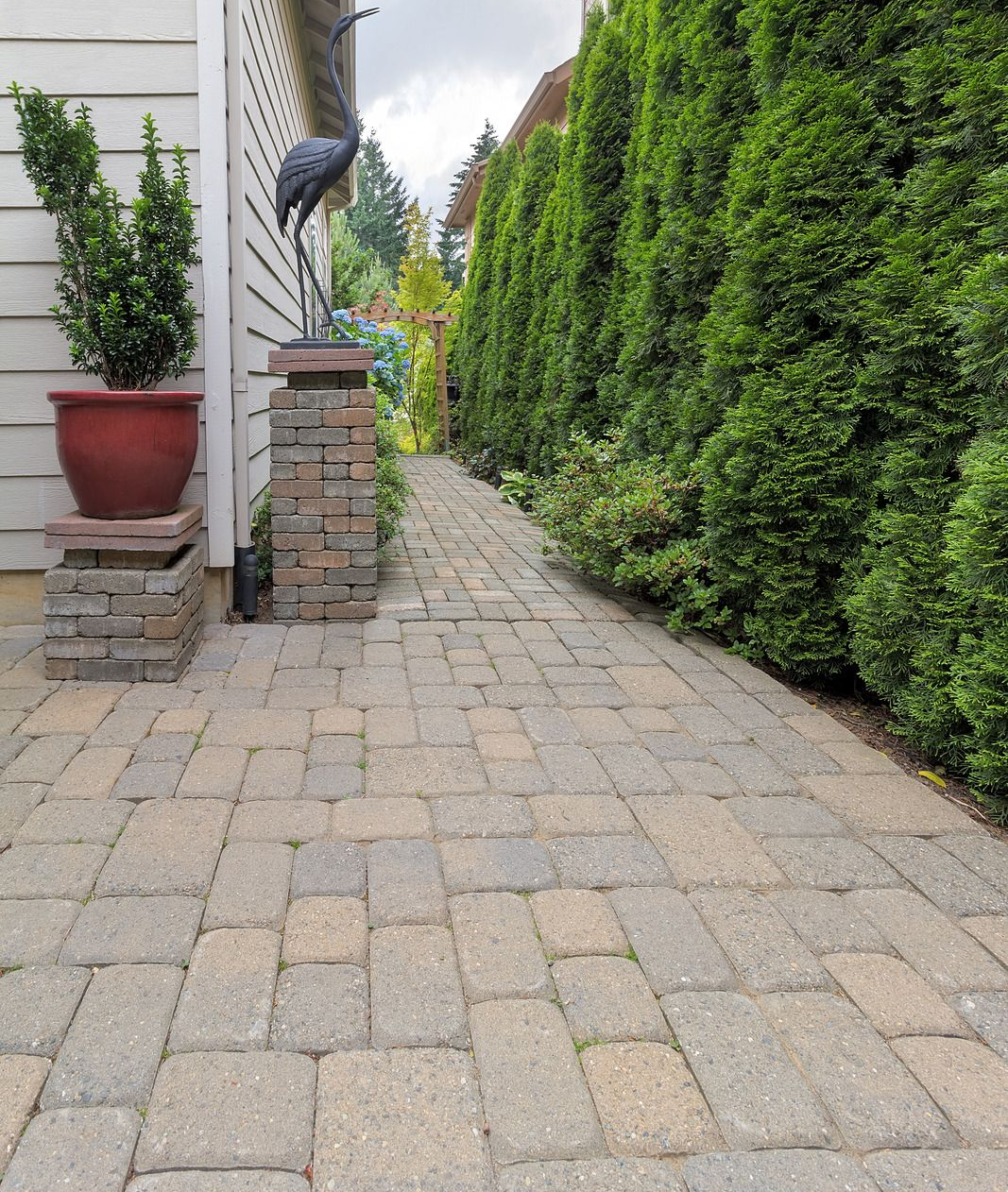
- Pavers: Manufactured for consistency and ease of installation. Interlocking pavers are excellent for driveways, walkways, and pool decks.
- Concrete: Versatile and cost-effective, concrete can be stamped, stained, or textured to mimic natural stone.
- Brick: Classic and durable, brick provides a traditional aesthetic for patios, garden paths, and edging.
- Wood and Composites: Suitable for decks, pergolas, or decorative features, offering warmth and natural appeal but requiring maintenance to prevent decay.
Durability vs. Maintenance
Consider how much maintenance you are willing to perform. Stone and concrete generally require minimal upkeep, whereas wood needs regular treatment to resist moisture and pests. Material choice also impacts longevity; investing in quality materials upfront can save repair and replacement costs in the long term.
Design Cohesion
Materials should complement each other and the surrounding landscape. For example, combining natural stone with wood accents creates a rustic, balanced aesthetic. Contrasting textures, such as smooth pavers with rough-hewn stone edging, can define zones while adding visual interest.
Expert Insight
Hardscape professionals often recommend creating a sample layout of materials before finalizing selections. This allows you to evaluate texture, color, and arrangement in the actual outdoor environment, reducing the risk of design clashes.
3. Planning Layout and Functional Zones
Zoning Your Outdoor Space
Organizing your outdoor area into distinct functional zones improves usability and flow. Common zones include seating areas, dining spaces, garden beds, play areas, and walkways. Clearly defined zones ensure that each space serves its intended purpose without interference from other activities.
Pathways and Connectivity
Pathways connect different zones and guide movement through your outdoor space. When designing paths, consider width, materials, and layout. Curved paths create a sense of exploration and natural flow, while straight paths emphasize direct movement. Materials such as pavers, gravel, or stamped concrete enhance visual appeal while providing durability.
Integration With Landscaping
Hardscapes should complement existing vegetation and garden features. Retaining walls can double as planters, patios can be bordered with flowering shrubs, and pathways can wind around mature trees. This integration creates a seamless transition between living and non-living elements, enhancing both function and beauty.
Example Scenario
A homeowner may divide a backyard into a dining zone near the kitchen, a lounge area with a fire pit at the center, and a garden area at the far end. Curved stone pathways connect each zone, while retaining walls incorporate built-in seating. This layout maximizes utility, encourages outdoor activity, and creates visually engaging spaces.
4. Incorporating Key Features and Enhancements
Fire Pits and Outdoor Kitchens
Adding features such as fire pits and outdoor kitchens enhances usability and entertainment value. Fire pits provide warmth and ambiance for evening gatherings, while outdoor kitchens extend living and dining spaces. Choosing durable materials and integrating them with the overall layout ensures these features remain functional and visually appealing for years.
Seating and Furniture Placement
Strategically placed seating encourages relaxation and social interaction. Built-in benches, retaining wall seating, or movable outdoor furniture should consider sun exposure, sightlines, and traffic flow. Balancing comfort and aesthetics helps create inviting spaces that homeowners and guests will enjoy.
Water Features
Water features, such as fountains, ponds, or small waterfalls, introduce sound, movement, and tranquility to outdoor areas. They can serve as focal points or subtle accents depending on scale and placement. Proper planning is necessary to ensure water circulation, safety, and maintenance efficiency.
Lighting and Safety
Outdoor lighting enhances both functionality and safety. Pathway lights, uplighting for trees, and accent lighting for features improve visibility while adding ambiance. Adequate lighting around steps, edges, and driveways prevents accidents and extends usability after dark.
Expert Tip
When incorporating features, prioritize multifunctional elements. For instance, a retaining wall with integrated seating, lighting, and planters combines several benefits while saving space. This approach maximizes efficiency and adds perceived value to the outdoor space.
5. Addressing Sustainability and Maintenance
Sustainable Hardscaping Practices
Sustainable hardscape design minimizes environmental impact and reduces long-term maintenance. Consider permeable pavers to allow rainwater absorption, reducing runoff and supporting groundwater recharge. Recycled materials, drought-resistant plantings near hardscape features, and energy-efficient lighting contribute to eco-friendly outdoor spaces.
Long-Term Maintenance
Maintenance planning is essential to preserve functionality and aesthetics. Stone and concrete require minimal upkeep, while wood structures need periodic sealing. Regular inspections for cracks, shifting pavers, and drainage issues prevent costly repairs. Incorporating proper drainage solutions during the design phase reduces erosion, standing water, and structural damage.
Benefits of Proactive Planning
Investing time and resources upfront ensures that your outdoor space remains beautiful, safe, and valuable for years. Sustainable materials and thoughtful maintenance practices improve property longevity and contribute positively to overall environmental stewardship.
6. Hiring Professionals vs. DIY Considerations
Advantages of Professional Hardscape Design
Hiring a professional ensures that every aspect of your outdoor space is carefully planned and executed. Professionals bring expertise in material selection, structural engineering, drainage solutions, and aesthetic design. They also ensure compliance with local building codes and safety standards, minimizing risks associated with DIY installations.
DIY Opportunities
Homeowners can tackle smaller projects, such as simple pathways, garden beds, or decorative elements. DIY work saves costs and allows for personal customization but requires careful research, tools, and understanding of construction principles. Complex features like retaining walls, outdoor kitchens, or extensive patios often require professional involvement for safety and durability.
Expert Recommendation
A hybrid approach can offer the best balance—professionals handle structural and technical elements, while homeowners contribute to planting, décor, and finishing touches. This collaboration ensures quality, reduces errors, and maintains a personal connection to the outdoor space.
Dependable Advice From Flooring Plus LLCProfessionals
At Flooring Plus LLC, we understand the impact of thoughtful design and quality craftsmanship. With over 20 years of experience as a trusted flooring contractor in Hollis, NH, we have helped countless homeowners and businesses enhance their spaces through expert solutions that combine functionality and style. While our core expertise lies in flooring, our commitment to professional guidance extends to outdoor and hardscape considerations, offering insights that help property owners make informed decisions. We believe every detail matters—from the selection of durable materials to the strategic placement of functional zones—ensuring spaces are not only beautiful but also practical and long-lasting.
Our team prioritizes personalized service, transparent communication, and a results-driven approach. Whether you are renovating a backyard, upgrading a patio, or planning a complete outdoor transformation, Flooring Plus LLC
provides the guidance and support needed to execute your vision flawlessly. With decades of proven experience, we are dedicated to helping clients maximize the value and enjoyment of their properties, creating spaces that truly stand the test of time.