
Cost vs. ROI: How a Kitchen Remodel Adds Value to Your Home
May 4, 2026
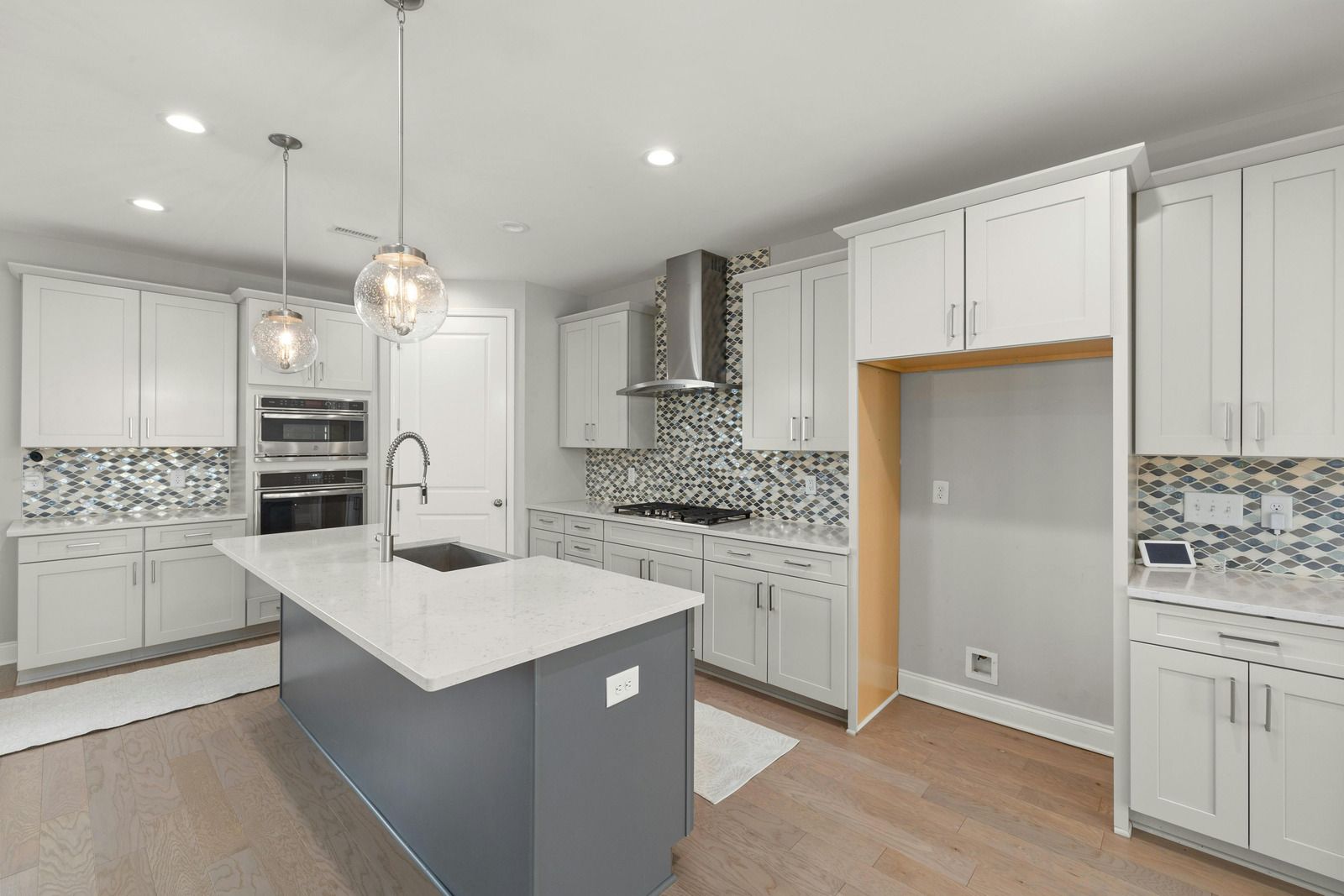
A kitchen remodel is more than just a cosmetic update; it is a strategic investment that can significantly impact a home's value, functionality, and appeal. In today’s competitive real estate market, a well-executed kitchen renovation often serves as a cornerstone for increasing resale value while enhancing daily living experiences. Homeowners face a critical decision when weighing the cost of a remodel against the potential return on investment (ROI). This calculation is not merely about dollars spent but about making smart choices that align with both personal lifestyle goals and market expectations. Understanding the financial implications alongside design possibilities ensures that renovations are practical, beautiful, and financially sound.
Navigating kitchen remodels requires a careful balance of cost management, design foresight, and knowledge of what appeals to prospective buyers. Every element, from cabinetry and countertops to appliances and flooring, contributes to the overall impact on a home’s market value. Making informed decisions about upgrades, finishes, and layout changes can maximize ROI while avoiding unnecessary expenses. This guide explores key aspects of kitchen remodels, offering actionable insights on budgeting, design strategies, and market-driven decisions. Whether preparing to sell or simply aiming to improve functionality and aesthetics, understanding cost versus ROI is essential for achieving both satisfaction and value.
Understanding the True Costs of a Kitchen Remodel
Breaking Down Expenses
A kitchen remodel involves multiple cost components that extend beyond surface-level updates. The major expenses typically include cabinetry, countertops, appliances, lighting, flooring, and labor. Cabinetry often accounts for the largest portion of the budget, ranging from 30% to 40% of the total cost, particularly when opting for custom designs. Countertops, depending on material choice, can fluctuate significantly; high-end options like quartz or granite are more expensive but offer long-term durability and aesthetic appeal. Appliances, especially energy-efficient models, add to the upfront investment but can enhance resale appeal.
Hidden Costs Homeowners Often Overlook
Beyond the visible expenses, hidden costs can impact the budget considerably. Permits, design consultations, delivery fees, and waste removal contribute to the total investment. Additionally, unexpected issues discovered during remodeling, such as outdated wiring or water damage, can increase costs. Accurate budgeting requires allocating 10% to 20% of the total project cost as a contingency fund.
Cost-Saving Strategies Without Compromising Quality
Reducing costs without sacrificing quality requires strategic planning. Prioritizing high-impact areas like cabinets and countertops while selecting affordable alternatives for fixtures and finishes can optimize spending. Refinishing existing cabinets instead of replacing them entirely or choosing laminate countertops over natural stone in less visible areas can preserve the budget. Purchasing appliances during sales and working with experienced contractors can also help control expenses.
Calculating Return on Investment (ROI)
What ROI Really Means in Home Renovations
ROI measures the increase in a property’s value relative to the cost of remodeling. For kitchens, ROI typically ranges between 60% and 80% for mid-range remodels, though luxury upgrades may see lower percentages due to higher costs. The goal is not just aesthetic improvement but enhancing a home’s market appeal and functionality. An ROI-focused remodel carefully considers materials, design trends, and overall market demand.
Factors Influencing Kitchen ROI
Several factors directly affect ROI, including project scope, location, and current market conditions. Regional market trends influence which upgrades are most appealing to buyers. Homes in neighborhoods with newer construction may see diminishing returns on high-end finishes, while homes in areas with older kitchens may gain significant value from moderate improvements. Project scope also matters: minor updates like cabinet refacing or appliance replacement can yield strong ROI at a lower cost, whereas major structural renovations require careful cost-benefit analysis.
Comparing Remodeling Costs to Potential Gains
Quantifying potential gains helps homeowners make informed decisions. For instance, spending $25,000 on a mid-range remodel could increase a home’s market value by $15,000 to $20,000, representing a 60%–80% ROI. Understanding these numbers prevents over-investment and guides prioritization of renovations with the highest impact. Historical data and real estate reports provide benchmarks for expected ROI, helping align remodeling decisions with financial goals.
High-Impact Renovations That Add Value
Cabinetry and Storage Solutions
Cabinetry significantly influences both functionality and visual appeal. High-quality, well-designed cabinets improve organization, maximize space, and create a lasting impression on potential buyers. Options like soft-close drawers, pull-out shelves, and custom pantry solutions enhance usability. Even minor upgrades, such as replacing cabinet doors or adding modern hardware, can refresh the space while maintaining cost efficiency.
Countertops and Surfaces
Countertops serve as both functional and aesthetic focal points. Materials like granite, quartz, and solid surface options offer durability and timeless appeal. Choosing neutral, versatile colors ensures broader buyer appeal, while avoiding overly personalized or bold patterns reduces the risk of dated design. Incorporating high-quality backsplashes and integrating seamless surfaces contributes to an upscale appearance that resonates with buyers.
Appliances and Energy Efficiency
Modern, energy-efficient appliances are attractive selling points. Upgrading to stainless steel, smart technology, or Energy Star-rated units demonstrates attention to detail and commitment to quality. These improvements not only enhance daily functionality but also appeal to environmentally conscious buyers. Integrating appliances into cabinetry for a built-in look can further elevate the kitchen’s overall design and value.
Lighting and Flooring Enhancements
Lighting transforms the ambiance of a kitchen. Layered lighting, including under-cabinet, recessed, and pendant options, enhances both aesthetics and functionality. Proper lighting highlights key areas, making the space appear larger and more inviting. Flooring upgrades, such as hardwood, luxury vinyl, or high-quality tile, improve durability and maintain visual appeal. Flooring choice should balance style, longevity, and ease of maintenance to maximize ROI.
Common Challenges and How to Overcome Them
Budget Overruns
One of the most frequent challenges in kitchen remodels is budget overruns. Miscalculations, unexpected repairs, or selection of high-end finishes can escalate costs. Mitigation strategies include creating a detailed budget, obtaining multiple contractor quotes, and implementing a contingency fund. Regularly reviewing expenses during the project ensures financial control and prevents overspending.
Timing and Project Delays
Kitchen remodels can disrupt daily routines, and delays may occur due to supply shortages, contractor scheduling, or unforeseen complications. Clear communication and realistic timelines are essential. Planning projects during periods of low demand for contractors and ordering materials in advance can minimize delays. Flexibility and proactive problem-solving reduce stress and maintain progress.
Balancing Personal Preferences with Market Appeal
While personal taste drives many design choices, over-customization can limit ROI. Selecting neutral, widely appealing finishes and layouts ensures broader marketability. Incorporating versatile design elements like two-tone cabinetry or adjustable lighting balances individual style with resale value. Consulting market trends and seeking expert advice aligns remodeling decisions with both personal satisfaction and financial prudence.
Dealing with Structural or Technical Issues
Older homes often present challenges such as outdated electrical systems, plumbing issues, or uneven floors. Addressing these technical elements is crucial for both safety and resale value. Proactively hiring licensed professionals to inspect and correct issues prevents future complications. Investing in foundational upgrades enhances the long-term functionality and appeal of the kitchen.
Best Practices for Maximizing ROI
Focus on Quality Over Quantity
Prioritizing high-quality materials and craftsmanship in critical areas ensures longevity and maintains value. Durable cabinetry, resilient countertops, and reliable appliances provide long-term benefits that justify upfront costs. Choosing cost-effective upgrades in less prominent areas preserves budget while maximizing impact in high-visibility zones.
Stay Within Market-Appropriate Budget Ranges
Excessive spending on luxury features may not yield proportional returns. Researching comparable homes and local market trends informs appropriate investment levels. Mid-range remodels often provide the highest ROI, delivering substantial improvements without overcapitalizing.
Implement Smart Design and Layout Improvements
Functional layouts increase usability and appeal. Open-concept designs, improved workflow, and added storage solutions enhance both everyday experience and market attractiveness. Small adjustments, such as relocating appliances for better efficiency, can make a significant difference in perceived value.
Maintain Timeless, Neutral Aesthetics
Neutral colors, classic finishes, and versatile design elements appeal to a wide range of buyers. Avoiding overly trendy or bold choices ensures that the kitchen remains attractive over time. Timeless aesthetics reduce the likelihood of renovations feeling dated and preserve long-term ROI.
Plan for Future Maintenance and Durability
Selecting materials that require minimal upkeep prolongs the kitchen’s aesthetic and functional appeal. Scratch-resistant surfaces, durable flooring, and easy-to-clean finishes reduce long-term maintenance costs, making the remodel more appealing to future buyers. Planning for durability aligns immediate improvements with sustained value growth.
Trusted Professionals Transform Kitchens With Lasting Appeal
A well-planned kitchen remodel balances the initial investment with the potential to increase home value, enhance functionality, and improve daily living experiences. Understanding the full scope of costs, from visible expenses to hidden fees, ensures financial preparedness. Calculating ROI helps prioritize upgrades that provide the highest return while maintaining market appeal. Key renovation areas, including cabinetry, countertops, appliances, lighting, and flooring, deliver the most significant impact on both functionality and value. Addressing common challenges, such as budget overruns, timing issues, and technical obstacles, ensures a smoother remodeling process. Implementing best practices, like prioritizing quality, staying market-appropriate, and maintaining timeless aesthetics, maximizes the effectiveness of every investment made.
At Flooring Plus LLC, serving Hollis, NH for over 20
years, we specialize in creating kitchen remodels that not only enhance everyday living but also boost home value. Our experience allows us to deliver projects with precision, efficiency, and attention to detail. Every renovation focuses on durability, timeless design, and functional excellence, ensuring long-term satisfaction and strong ROI. With Flooring Plus LLC, homeowners gain a partner committed to transforming kitchens into spaces that combine beauty, practicality, and financial advantage. Expert guidance, personalized solutions, and a dedication to quality craftsmanship make us a trusted authority in home remodeling.