
Combining Remodeling and Flooring Upgrades for a Seamless Interior Transformation
January 6, 2026
When homeowners embark on a remodeling project, flooring is often an afterthought. However, the choice of flooring can dramatically influence the overall aesthetic, functionality, and value of a space. Combining remodeling efforts with flooring upgrades ensures a cohesive transformation, creating an interior that not only looks harmonious but also supports daily living needs. Whether it’s updating a kitchen, bathroom, or living area, integrating flooring considerations from the beginning can prevent costly mistakes, reduce project delays, and achieve a polished, professional finish.
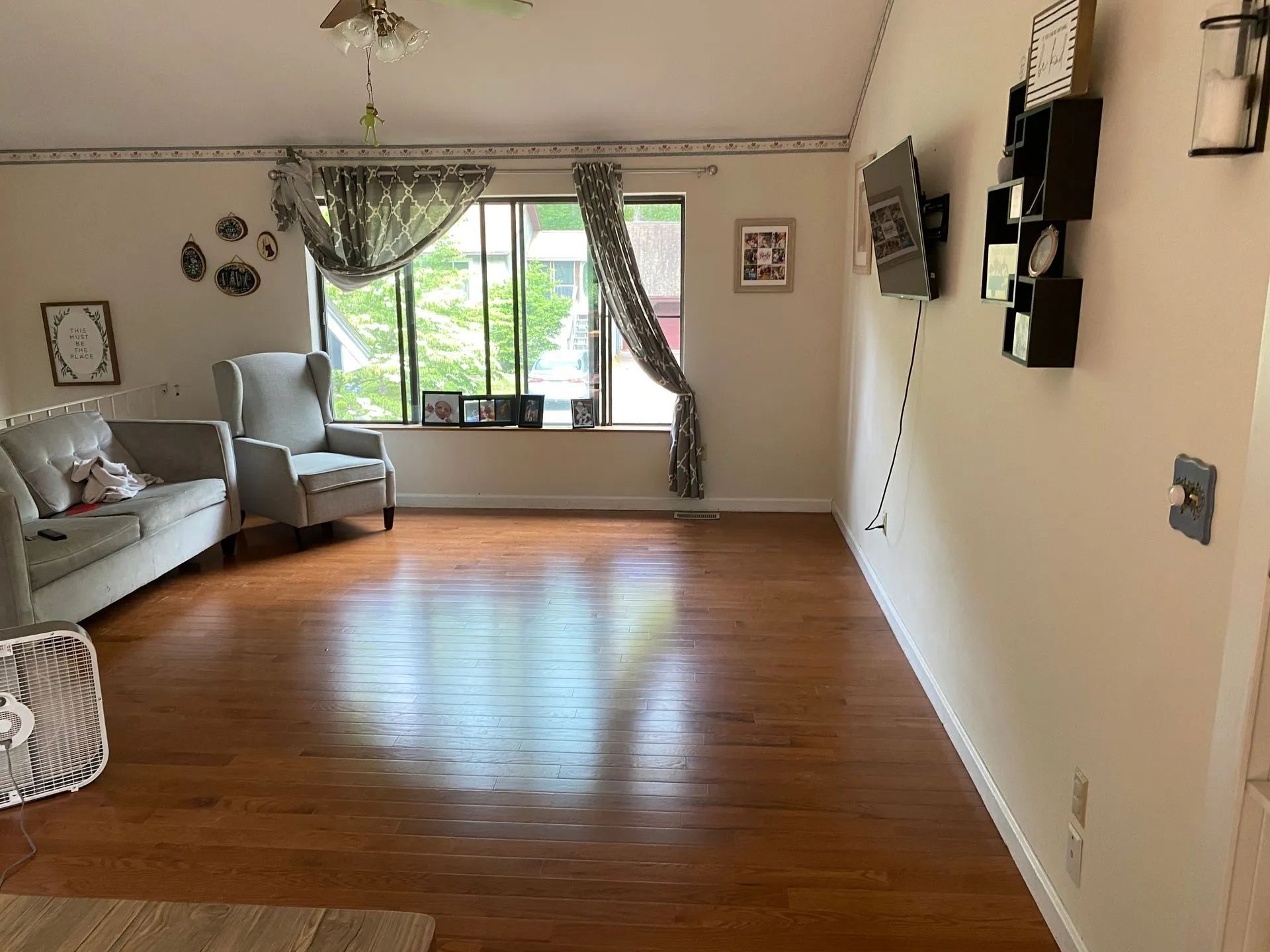
Moreover, flooring serves as the foundation upon which the rest of your interior design rests. Selecting the right materials, textures, and finishes can enhance lighting, highlight architectural features, and complement color schemes. For instance, installing warm hardwood floors during a kitchen remodel can unify adjoining spaces, whereas a tile upgrade in bathrooms can provide both beauty and water-resistant functionality. By combining remodeling and flooring strategies, homeowners create a seamless design flow that elevates both comfort and visual appeal. Understanding how these two aspects intersect empowers you to make informed decisions that optimize investment, style, and long-term satisfaction, making it essential for any successful interior transformation.
Planning Your Remodeling and Flooring Integration
Establishing a Clear Vision
A successful interior transformation begins with a clear, cohesive vision. Homeowners should outline the goals of their remodel, such as modernizing outdated spaces, increasing functionality, or creating a specific design aesthetic. Understanding the purpose of the remodel allows for informed flooring choices that align with the overall theme. For example, a contemporary minimalist living room might benefit from sleek vinyl or engineered hardwood, while a rustic dining space could be enhanced with distressed oak planks.
Assessing Structural Considerations
Before selecting flooring materials, assess the subfloor conditions and structural limitations of the space. Certain remodeling projects, such as expanding rooms or adding new features, may impact floor stability. Ensuring that the subfloor can support new materials like heavy tile or hardwood is essential. Consulting with a professional contractor during the planning phase ensures structural compatibility, preventing costly modifications after installation.
Budgeting and Scheduling
Integrating remodeling and flooring upgrades requires careful budgeting and scheduling. Combining these projects can save money by reducing redundant labor costs, but it also requires coordinating timelines to avoid delays. Planning the flooring installation after essential structural and design work ensures minimal disruption and guarantees that the final product aligns perfectly with the remodeled space.
Choosing the Right Flooring Materials
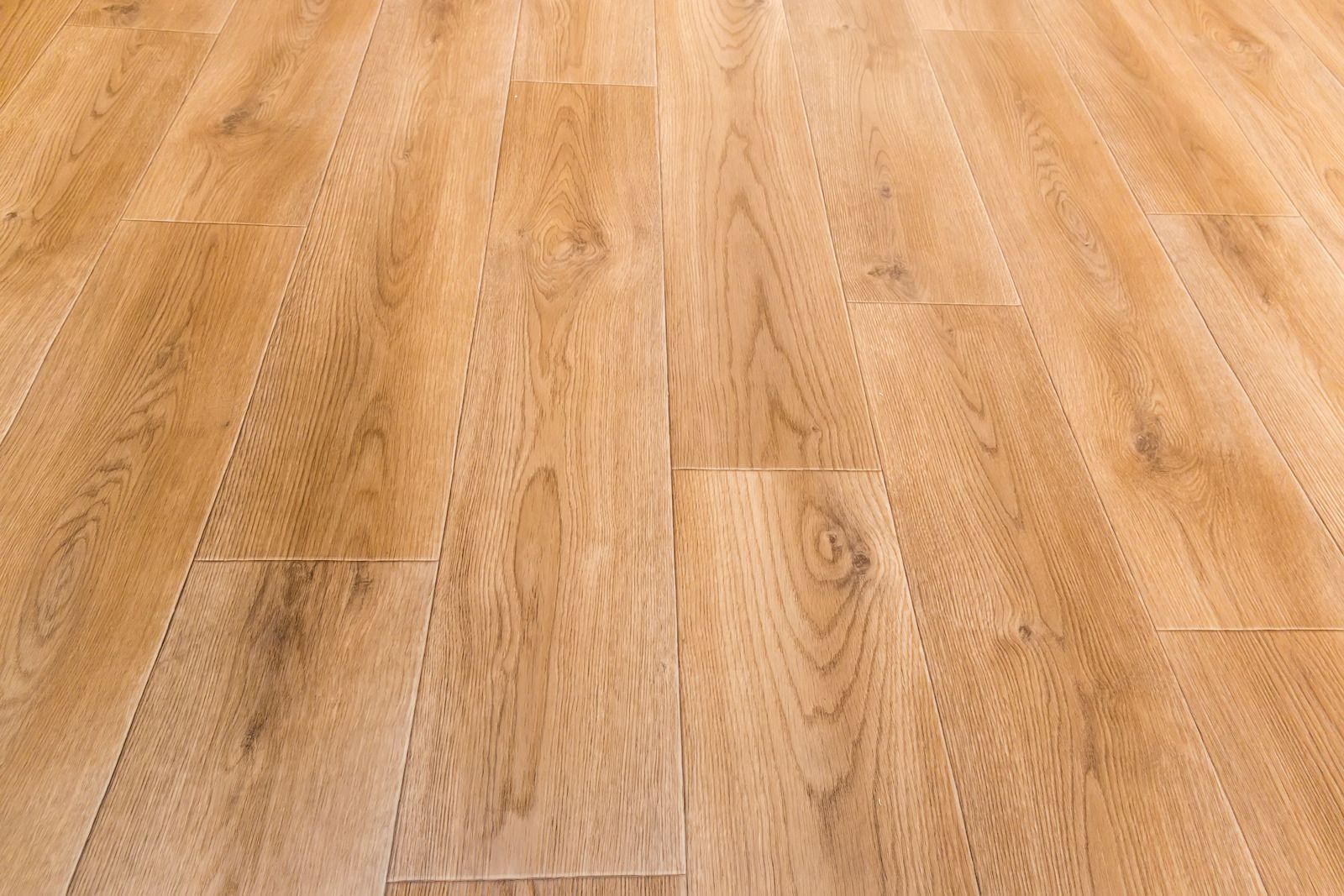
- Hardwood Flooring:- Hardwood remains a popular choice due to its durability, timeless appeal, and versatility. It works well in living rooms, dining areas, and bedrooms. During a remodel, hardwood can be used to unify multiple spaces, creating a smooth visual transition. Additionally, options like engineered hardwood offer the aesthetic of solid wood while being more resistant to moisture, making it suitable for kitchens and bathrooms with careful consideration.
- Tile and Stone Flooring:- Tile and natural stone are ideal for high-traffic or moisture-prone areas. Porcelain, ceramic, and slate provide durability, water resistance, and a wide range of design possibilities. Coordinating tile choices with other remodel elements, such as cabinetry or countertops, ensures a cohesive aesthetic. For example, a kitchen remodel featuring quartz countertops can be complemented by neutral-toned ceramic tiles that highlight subtle veining patterns.
- Vinyl and Laminate Flooring:- Vinyl and laminate have evolved into premium-quality options that mimic hardwood or stone at a lower cost. These materials are particularly suitable for areas requiring affordability and easy maintenance. When combined with remodeling, vinyl or laminate can provide a practical, stylish solution without compromising on design integrity. Waterproof options are increasingly popular for kitchens, bathrooms, and basements, where moisture resistance is critical.
Coordinating Design Elements
Color and Texture Harmony
A seamless interior transformation relies on consistent color palettes and textures. Flooring serves as a base, so it should complement wall colors, cabinetry, countertops, and furniture. For instance, a light oak floor can brighten a room with dark cabinets, while a darker floor may anchor a neutral-toned living space. Textural contrast, such as pairing smooth tile with textured walls or fabrics, adds depth without overwhelming the senses.
Transitions Between Rooms
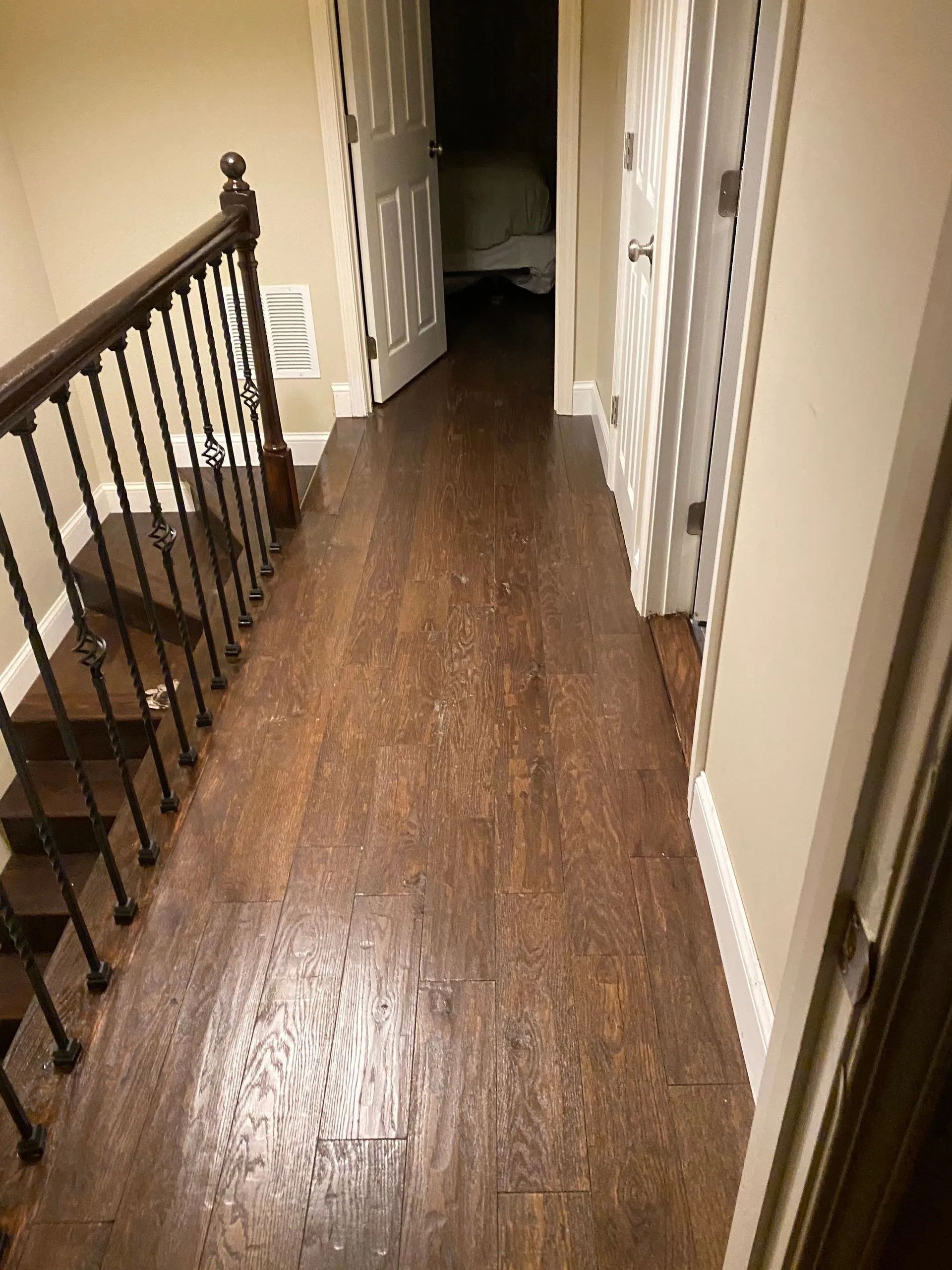
Smooth transitions between different areas are essential for a cohesive design. When remodeling multiple rooms or open-concept spaces, consider the flooring’s flow. For example, continuing hardwood from the living room into the hallway creates a sense of continuity, while strategically placed area rugs can define zones without disrupting the visual harmony. Transition strips can also ensure a polished finish between dissimilar materials, such as hardwood and tile.
Lighting Considerations
Flooring choice impacts the perception of light and space. Lighter floors can make smaller rooms feel expansive, while darker floors offer warmth and sophistication. Remodeling projects that involve windows, lighting fixtures, or skylights should consider how flooring reflects natural and artificial light. Integrating reflective or matte finishes can dramatically influence the room’s mood and perceived size.
Benefits of Combining Remodeling and Flooring Upgrades
Enhanced Aesthetic Appeal
Coordinating remodeling with flooring upgrades ensures a seamless look. Rather than retrofitting flooring into an already completed space, simultaneous planning allows for materials that match the overall design vision. For instance, a modern kitchen renovation can feature large-format tiles or sleek hardwood planks that emphasize clean lines and continuity.
Increased Home Value
Upgrading flooring alongside remodeling projects increases property value. Buyers often notice quality materials and cohesive design, making the home more attractive and marketable. A unified interior demonstrates attention to detail and suggests that the home has been well-maintained, which can justify a higher asking price.
Improved Functionality and Durability
Combining remodeling and flooring allows homeowners to select materials suited to each room’s specific needs. Kitchens and bathrooms can benefit from water-resistant options, while high-traffic living areas can incorporate durable hardwood or laminate. Addressing these considerations during remodeling ensures that the finished space is both beautiful and practical.
Streamlined Project Management
Coordinated projects reduce redundancy and simplify logistics. Contractors can schedule flooring installation immediately after structural or cosmetic renovations, minimizing downtime and reducing disruption to household routines. This approach also allows for more efficient procurement of materials and better management of labor costs.
Overcoming Common Challenges
- Timing and Coordination:- One of the primary challenges in combining remodeling and flooring is timing. Flooring installation may need to wait until structural modifications, painting, or cabinetry work is complete. Effective scheduling and communication between contractors prevent delays and ensure each phase progresses smoothly. Using project management tools or hiring a general contractor can streamline coordination.
- Material Selection Conflicts:- Different materials have specific installation requirements that may conflict with remodeling plans. For example, underfloor heating may limit tile or hardwood options. Consulting flooring specialists during the design phase ensures compatibility, avoids damage, and preserves design integrity. Real-world scenarios often show that early input from flooring experts can prevent costly last-minute changes.
- Managing Budget Constraints:- Upgrades in multiple areas can strain budgets. Prioritizing high-impact areas, such as kitchens and living spaces, while selecting cost-effective flooring alternatives for secondary rooms, can help balance quality and affordability. Homeowners may also explore financing options or phased remodeling to manage expenses without compromising the overall transformation.
Best Practices for a Seamless Transformation
Early Collaboration with Professionals
Engaging architects, interior designers, and flooring experts early in the project ensures alignment across all elements. Professionals can recommend materials, finishes, and design strategies that harmonize remodeling objectives with flooring functionality. Early collaboration reduces costly revisions and guarantees a cohesive outcome.
Sampling and Mock-Ups
Before finalizing materials, use samples and mock-ups to visualize the space. Flooring samples, combined with paint swatches and countertop materials, help homeowners understand how elements interact in natural and artificial light. This step allows adjustments to color, texture, and material choice before committing to installation.
Prioritize Functionality and Maintenance
While aesthetics are critical, practical considerations should guide decisions. High-traffic areas require durable surfaces, and moisture-prone rooms demand water-resistant materials. Selecting flooring that aligns with the remodel’s functional requirements ensures long-term satisfaction and reduces maintenance needs.
Flexibility in Design
Even with careful planning, unexpected challenges can arise during remodeling. Maintaining flexibility in design and material choices allows homeowners to adapt without compromising the overall vision. For example, if a preferred hardwood style becomes unavailable, a comparable engineered option can maintain the intended aesthetic and functionality.
Expert Guidance for Stress-Free Remodeling Projects
Flooring Plus LLC, based in Hollis, NH, has 20
years of experience guiding homeowners through
remodeling and flooring projects
that achieve remarkable results. Our expertise spans hardwood, tile, vinyl, and laminate solutions, allowing us to recommend the best materials tailored to your specific needs. We understand that successful interior transformations require a balance of aesthetics, functionality, and durability, which is why we focus on detailed planning, professional installation, and superior customer service. From initial consultation to final touches, we work closely with homeowners to ensure every aspect of the project is carefully coordinated, minimizing disruptions and maximizing results. Whether you are updating a single room or undertaking a full-home remodel, our team provides expert guidance on material selection, design integration, and project management. With a commitment to quality craftsmanship and client satisfaction, we stand as a trusted partner in achieving seamless, beautiful interiors that elevate both lifestyle and home value.