
Top Hardscaping Materials Compared: Pavers, Stone, Concrete & More
February 4, 2026
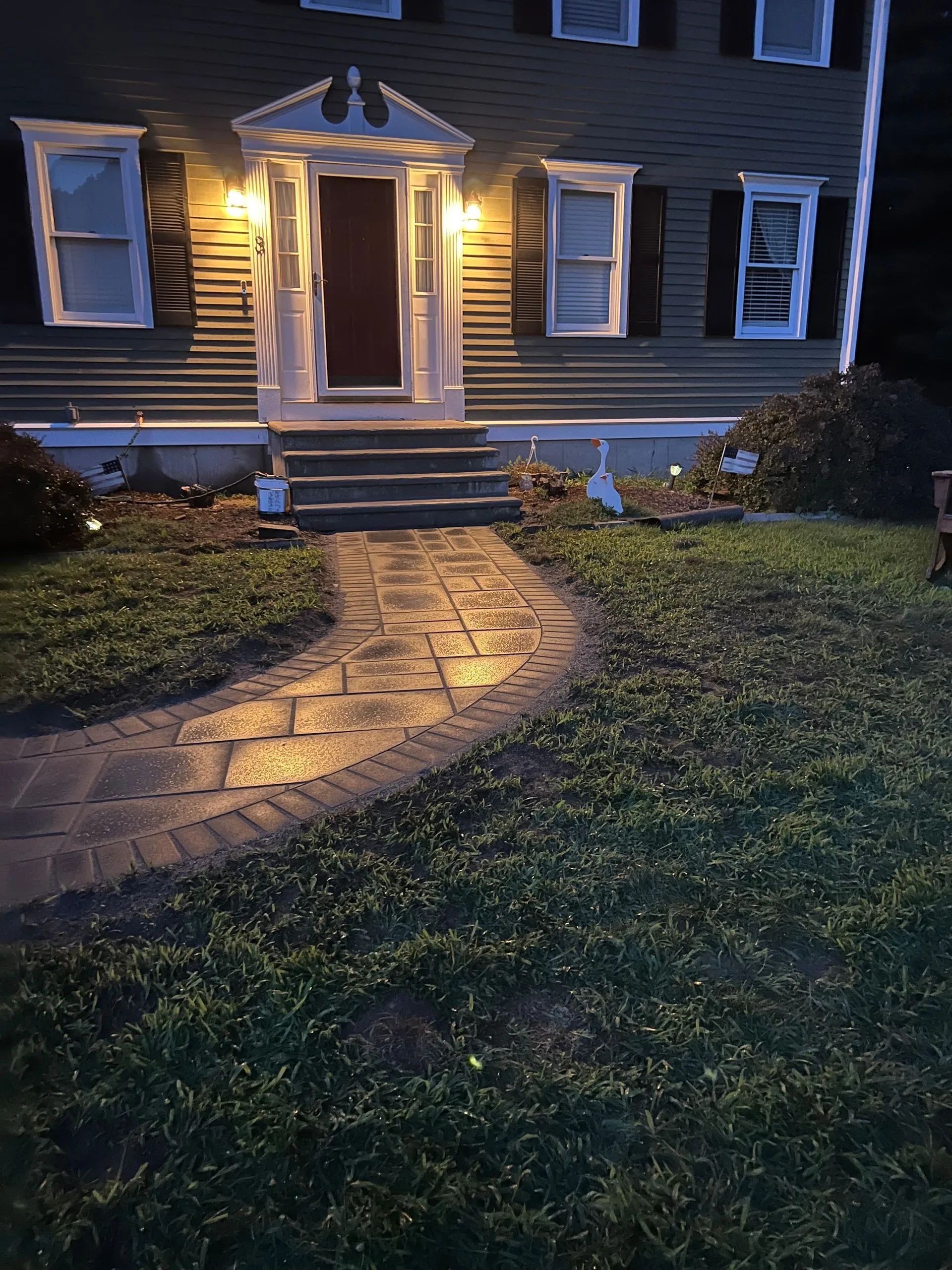
Hardscaping plays a critical role in both residential and commercial landscaping projects, transforming ordinary outdoor spaces into functional, visually appealing environments. From driveways and patios to walkways and garden features, the materials you select determine not only the aesthetic appeal but also the durability, maintenance requirements, and overall value of your property. Understanding the characteristics of different hardscaping materials is essential for making informed decisions that balance style, longevity, and cost-effectiveness.
Choosing the right material is more than a design decision—it impacts performance and long-term satisfaction. Factors such as climate, usage frequency, and maintenance capacity can influence whether pavers, natural stone, concrete, or alternative options are ideal for a particular project. Homeowners and contractors alike need a comprehensive comparison of available materials to ensure that each outdoor space meets functional demands while achieving the desired look. This blog provides an in-depth analysis of the most commonly used hardscaping materials, exploring their benefits, limitations, and best-use scenarios. By the end, readers will gain actionable insights to guide their material selection for projects ranging from small patios to expansive driveways.
Pavers: Versatile and Durable Options
Types of Pavers
Pavers are manufactured units made from concrete, clay, or natural stone, designed to create interlocking patterns for outdoor surfaces. Common types include:
- Concrete Pavers: Highly durable and available in various colors, shapes, and sizes. They offer flexibility in design and are often used for driveways, walkways, and patios.
- Clay Brick Pavers: Known for their rich color and classic appearance, brick pavers offer a timeless aesthetic but require occasional sealing to maintain color and prevent weathering.
- Porcelain Pavers: Increasingly popular for modern designs, porcelain provides a sleek, low-maintenance surface ideal for high-traffic patios and pool surrounds.
Benefits of Pavers
Pavers provide numerous advantages, including:
- Durability: Concrete and stone pavers can withstand heavy loads, making them ideal for driveways.
- Aesthetic Variety: Pavers allow creative patterns, colors, and textures to match any landscape design.
- Ease of Repair: Individual pavers can be replaced if damaged without removing the entire surface.
- Permeability: Certain paver designs facilitate water drainage, reducing runoff and potential flooding.
Challenges and Considerations
While versatile, pavers require:
- Proper Installation: Poor installation can lead to uneven surfaces and shifting pavers over time.
- Maintenance: Some pavers may require sealing to prevent staining, particularly in areas with high rainfall or heavy use.
Best Practices
- Choose paver types suited to load requirements and traffic patterns.
- Ensure a solid base with proper compaction to enhance stability.
- Regularly inspect for weed growth between pavers and apply sand or polymeric joint filler as needed.
Natural Stone: Timeless Elegance
Popular Stone Materials
Natural stone offers a luxurious, enduring option for hardscaping projects. Common choices include:
- Flagstone: Flat stones ideal for patios and pathways, providing irregular shapes for a natural look.
- Slate: Known for rich, layered textures, slate adds elegance to patios and garden features.
- Granite: Extremely durable and resistant to weathering, granite works well for high-traffic surfaces like driveways.
- Limestone and Sandstone: Softer stones that provide warmth and texture but may require sealing to resist staining.
Benefits of Natural Stone
- Aesthetic Appeal: Each stone is unique, creating one-of-a-kind outdoor surfaces.
- Longevity: Stone withstands weathering and heavy use over decades.
- Increased Property Value: High-quality stone installations enhance the perceived value of a property.
Challenges and Considerations
- Cost: Natural stone can be expensive, especially rare or imported types.
- Installation Complexity: Requires skilled labor and precise groundwork to ensure longevity.
- Maintenance Needs: Porous stones may need sealing and periodic cleaning to prevent moss, mold, and stains.
Best Practices
- Select stone types appropriate for the climate; frost-resistant options prevent cracking in colder regions.
- Use professional installers to ensure proper leveling, spacing, and drainage.
- Consider combining stone with other materials like gravel or pavers for cost-effective designs.
Concrete: Affordable and Flexible Solutions
Types of Concrete Hardscaping
Concrete is a versatile, widely used hardscaping material suitable for a range of applications:
- Stamped Concrete: Mimics the appearance of stone, brick, or tile, allowing creative designs without the cost of natural materials.
- Colored Concrete: Pigments provide aesthetic appeal, offering vibrant surfaces for patios and walkways.
- Exposed Aggregate Concrete: Small stones or pebbles embedded in concrete create texture, enhancing slip resistance and visual interest.
Benefits of Concrete
- Cost-Effectiveness: Concrete is generally more affordable than natural stone and offers extensive coverage for large areas.
- Customizability: Stamping, staining, and coloring enable unique designs that suit various landscapes.
- Durability: Well-installed concrete withstands heavy loads, freeze-thaw cycles, and high traffic.
- Low Maintenance: Requires minimal upkeep compared to other materials like wood or some stones.
Challenges and Considerations
- Cracking: Concrete can crack over time due to settling, temperature fluctuations, or inadequate base preparation.
- Repairs: Damaged sections may require patching or resurfacing, which may not perfectly match the original finish.
- Aesthetic Limitations: While customizable, some homeowners may prefer the natural variation of stone over concrete’s uniform appearance.
Best Practices
- Ensure a properly compacted sub-base to prevent shifting and cracking.
- Use control joints to minimize random cracking.
- Seal concrete surfaces to protect against stains and enhance longevity.
Gravel and Decomposed Stone: Low-Cost, Flexible Options
Material Overview
Gravel and decomposed stone provide economical alternatives for driveways, walkways, and garden features. Gravel consists of small rocks, while decomposed stone is finely crushed, creating a compactable surface ideal for pathways.
Benefits
- Affordability: Significantly cheaper than pavers or natural stone.
- Drainage: Excellent water permeability reduces surface runoff and prevents pooling.
- Easy Installation: Can be spread and leveled without professional equipment.
- Flexibility: Ideal for temporary installations or areas that may require frequent access for maintenance or landscaping adjustments.
Challenges
- Maintenance: Gravel may shift or scatter over time, requiring periodic replenishment.
- Weed Growth: Without proper underlayment, weeds can infiltrate gravel pathways.
- Limited Load Capacity: Gravel may not be suitable for heavy vehicle driveways unless reinforced.
Best Practices
- Install a geotextile fabric beneath gravel to prevent weed growth and soil mixing.
- Use edging materials such as metal, plastic, or stone to contain gravel.
- Periodically rake and top up gravel to maintain a smooth, even surface.
Wood and Composite Hardscaping: Unique Alternatives
Wood Options
Wood can be used to create decks, raised walkways, and retaining walls. Popular choices include:
- Pressure-Treated Lumber: Economical and durable for outdoor use but may require staining or sealing.
- Cedar and Redwood: Naturally resistant to rot and insects, offering warm aesthetics.
- Exotic Hardwoods: Teak and ipe provide exceptional durability and visual appeal but are more expensive.
Composite Materials
Made from a mixture of wood fibers and recycled plastics, composite materials combine durability with low maintenance. They are resistant to rot, fading, and insect damage.
Benefits
- Warm, Natural Aesthetic: Wood and composites provide a softer, inviting look compared to stone or concrete.
- Versatility: Suitable for decks, garden paths, and decorative elements.
- Sustainability: Many composites utilize recycled materials, reducing environmental impact.
Challenges
- Maintenance: Wood requires regular sealing or staining to prevent decay.
- Cost: Exotic hardwoods and high-quality composites can be expensive.
- Structural Considerations: Wood and composite surfaces must be properly supported to prevent sagging or warping.
Best Practices
- Choose materials based on climate and exposure to moisture.
- Ensure proper ventilation and drainage beneath wood or composite structures.
- Regularly inspect for rot, warping, or insect damage to maintain structural integrity.
Hybrid and Innovative Materials
Permeable Pavers and Eco-Friendly Options
Modern landscaping increasingly favors environmentally friendly solutions. Permeable pavers, rubber mulch, and recycled concrete offer sustainable alternatives. These materials allow water to infiltrate the soil, reduce urban heat islands, and contribute to greener designs.
Benefits
- Environmental Impact: Promotes groundwater recharge and reduces runoff.
- Design Flexibility: Can mimic traditional materials while providing enhanced performance.
- Durability: Many innovative materials are engineered to resist cracking, fading, or heavy loads.
Challenges
- Availability: Some eco-friendly materials may not be widely stocked, requiring specialized suppliers.
- Cost: Initial investment may be higher than conventional options.
- Installation: Requires careful planning to ensure proper drainage and longevity.
Best Practices
- Work with experienced installers familiar with sustainable hardscaping materials.
- Evaluate the site’s drainage and soil composition before selecting permeable solutions.
- Incorporate hybrid designs that combine durability, aesthetics, and environmental benefits.
Trusted Expertise for Transforming Outdoor Spaces Professionally
Selecting the right hardscaping materials is essential for achieving both functionality and beauty in outdoor spaces. From versatile pavers and timeless natural stone to cost-effective concrete and eco-friendly alternatives, each option offers unique benefits and considerations. Understanding the differences in durability, aesthetics, maintenance, and environmental impact enables homeowners and contractors to make informed decisions that enhance property value and enjoyment. By assessing specific project requirements and future usage, the ideal hardscaping material can transform a simple outdoor area into a stunning, practical, and long-lasting space.
At Flooring Plus LLC, we bring 20
years of experience as a trusted flooring and hardscaping contractor in Hollis, NH. Our team specializes in guiding clients through material selection, installation, and long-term maintenance, ensuring every project exceeds expectations. Whether it’s designing a durable driveway, an elegant patio, or a customized walkway, we combine expert knowledge with high-quality materials to deliver exceptional results. Homeowners rely on our professionalism, attention to detail, and proven track record to transform their outdoor spaces into lasting investments. With Flooring Plus LLC, you gain not only craftsmanship but confidence in every hardscaping decision.