
Hardwood, Tile, or Vinyl? Pros and Cons of Popular Flooring Options
December 17, 2025
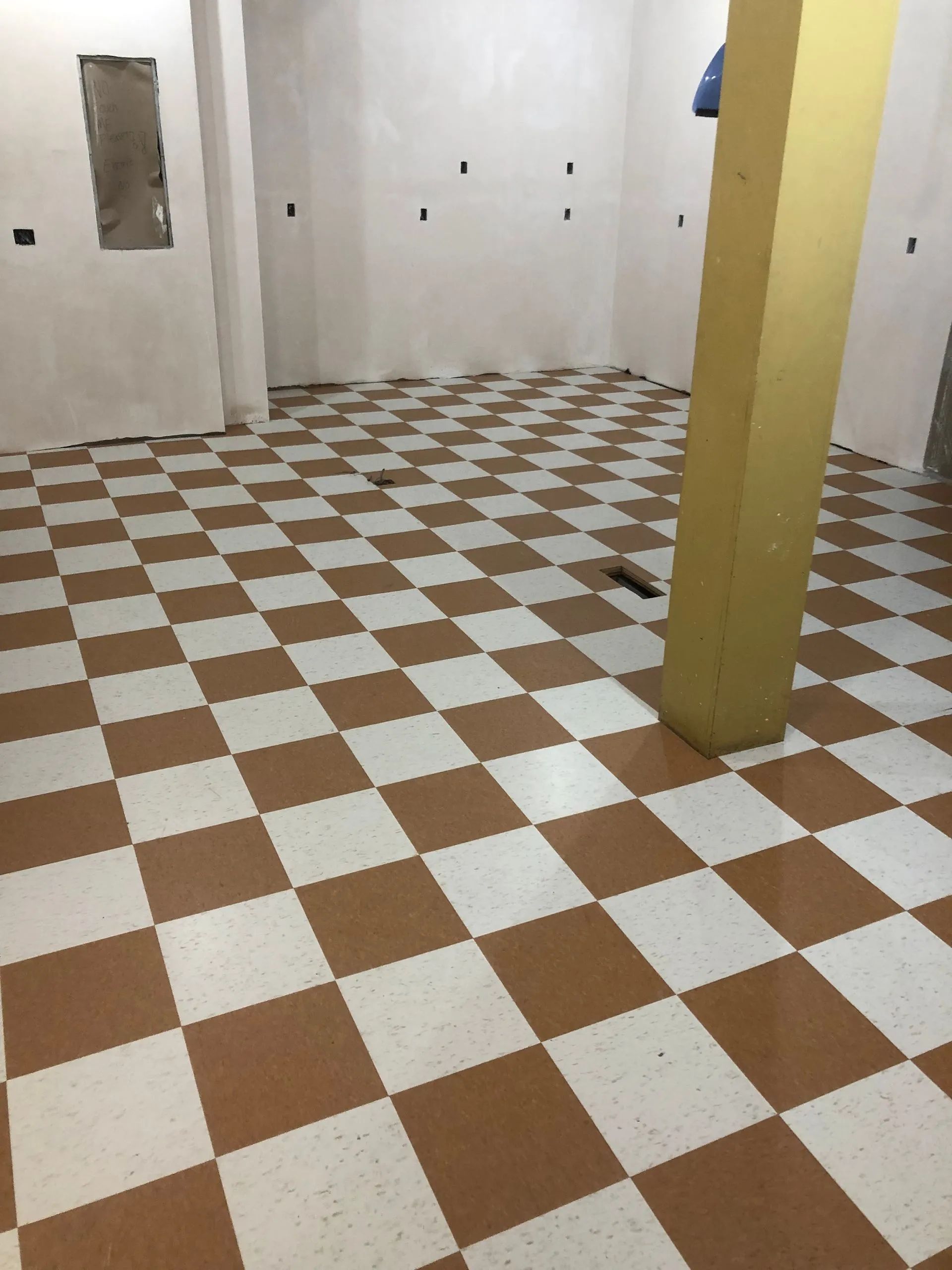
Choosing the right flooring for your home or commercial space is a decision that can significantly impact both aesthetics and functionality. With numerous options available, homeowners and property managers often face a challenge: balancing durability, cost, maintenance, and style. Hardwood, tile, and vinyl remain three of the most popular flooring choices, each offering unique benefits and potential drawbacks. Understanding their characteristics can help make an informed decision that aligns with lifestyle, budget, and long-term goals.
Hardwood floors bring warmth and timeless elegance, tile offers exceptional durability and moisture resistance, while vinyl provides affordability and versatility. Selecting the right flooring involves more than choosing what looks good—it requires consideration of traffic patterns, climate, maintenance needs, and long-term wear. With the right knowledge, you can make a choice that enhances your space visually, functionally, and financially. In this guide, we’ll explore the pros and cons of hardwood, tile, and vinyl flooring, provide real-world examples, and offer actionable insights to help you decide which option best suits your space. By the end, you’ll have a clear understanding of how each material performs and the factors to weigh when planning your next flooring project.
Hardwood Flooring: Timeless Elegance and Durability
Benefits of Hardwood Flooring
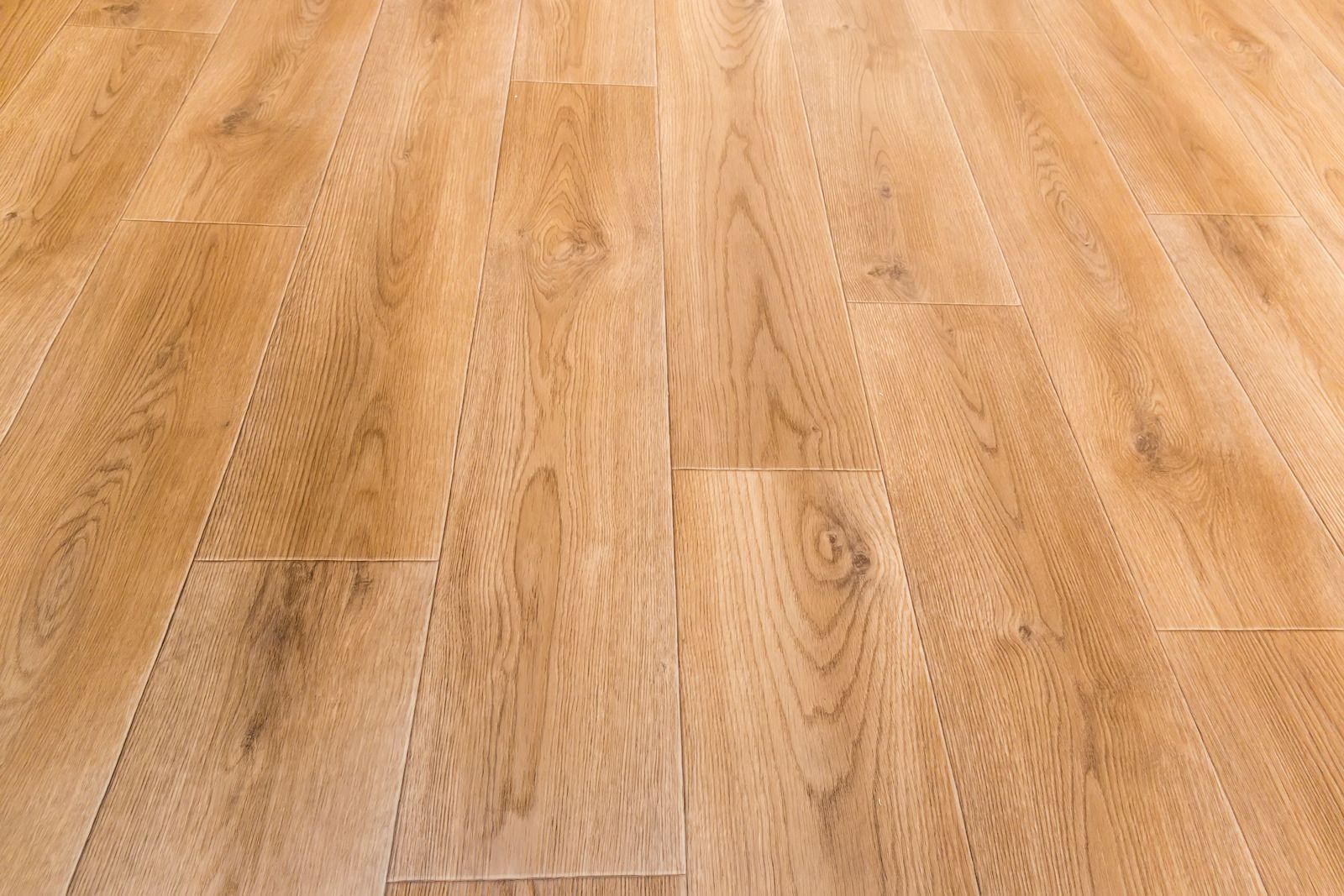
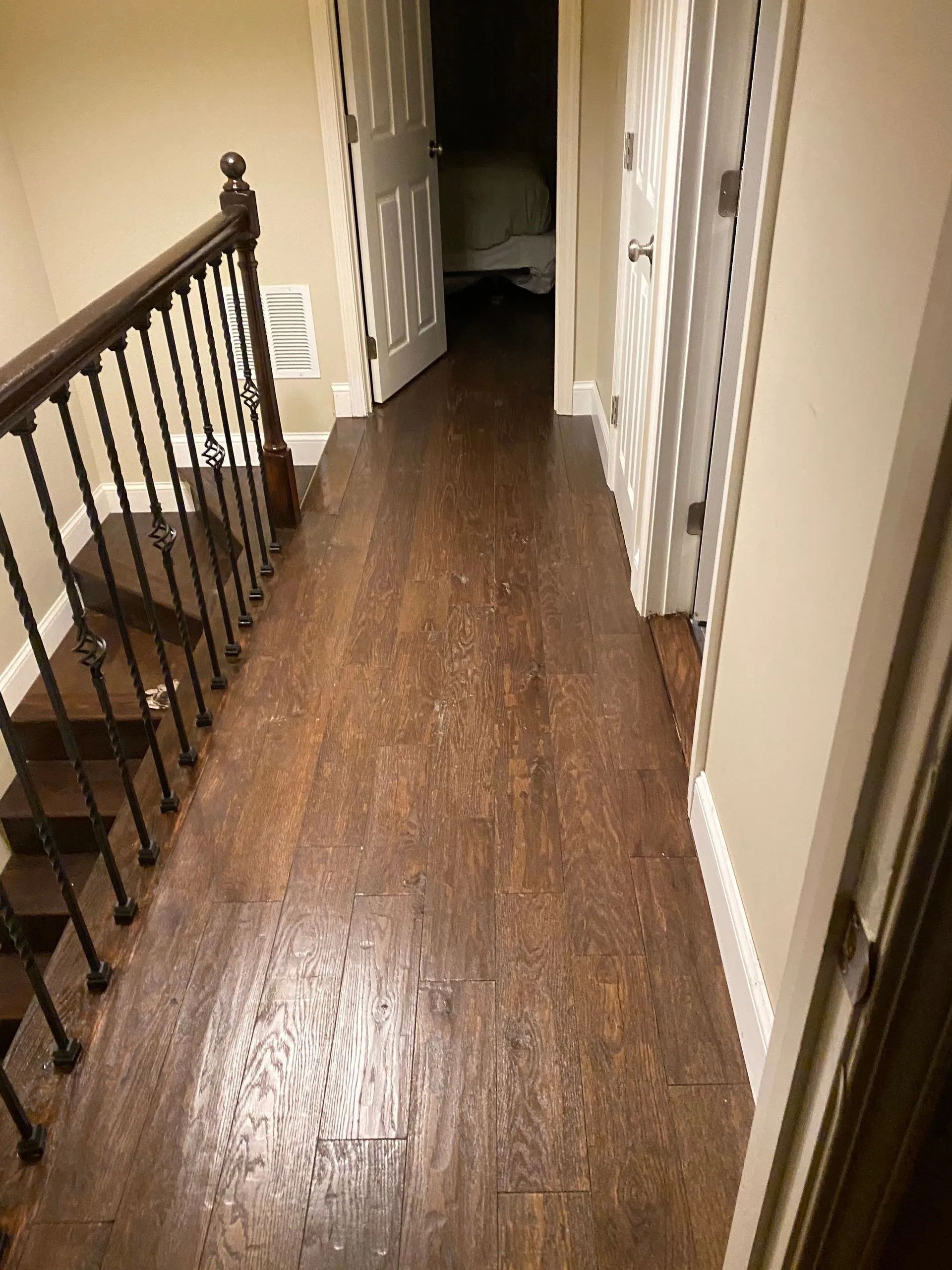
Hardwood flooring is known for its natural beauty and ability to elevate the aesthetic appeal of any room. The warm tones and grain patterns create an inviting atmosphere, making it a favorite for living rooms, dining areas, and bedrooms. Hardwood can increase property value, offering a return on investment that few flooring materials match.
Durability is another strong point. High-quality hardwood can last for decades when properly maintained. It can be sanded and refinished multiple times, restoring its original appearance and extending its lifespan. Hardwood is also versatile in terms of design, available in a variety of species, finishes, and plank sizes to complement diverse interior styles.
Challenges with Hardwood Flooring
Despite its advantages, hardwood comes with considerations. It can be expensive upfront, with costs varying based on wood species and installation complexity. Additionally, hardwood is susceptible to moisture damage, making it less suitable for bathrooms, basements, or areas prone to spills. Scratches and dents are common in high-traffic zones or homes with pets. Proper care, including regular cleaning and avoiding excessive moisture, is essential to maintain its appearance and longevity.
Best Practices for Hardwood Care
To preserve hardwood flooring, use rugs or mats in high-traffic areas, promptly clean spills, and maintain indoor humidity levels between 30–50%. Choosing a reputable installer ensures proper subfloor preparation, which can prevent warping or gaps. Investing in quality finishes can also protect the wood and minimize long-term maintenance requirements.
Tile Flooring: Durability and Design Flexibility
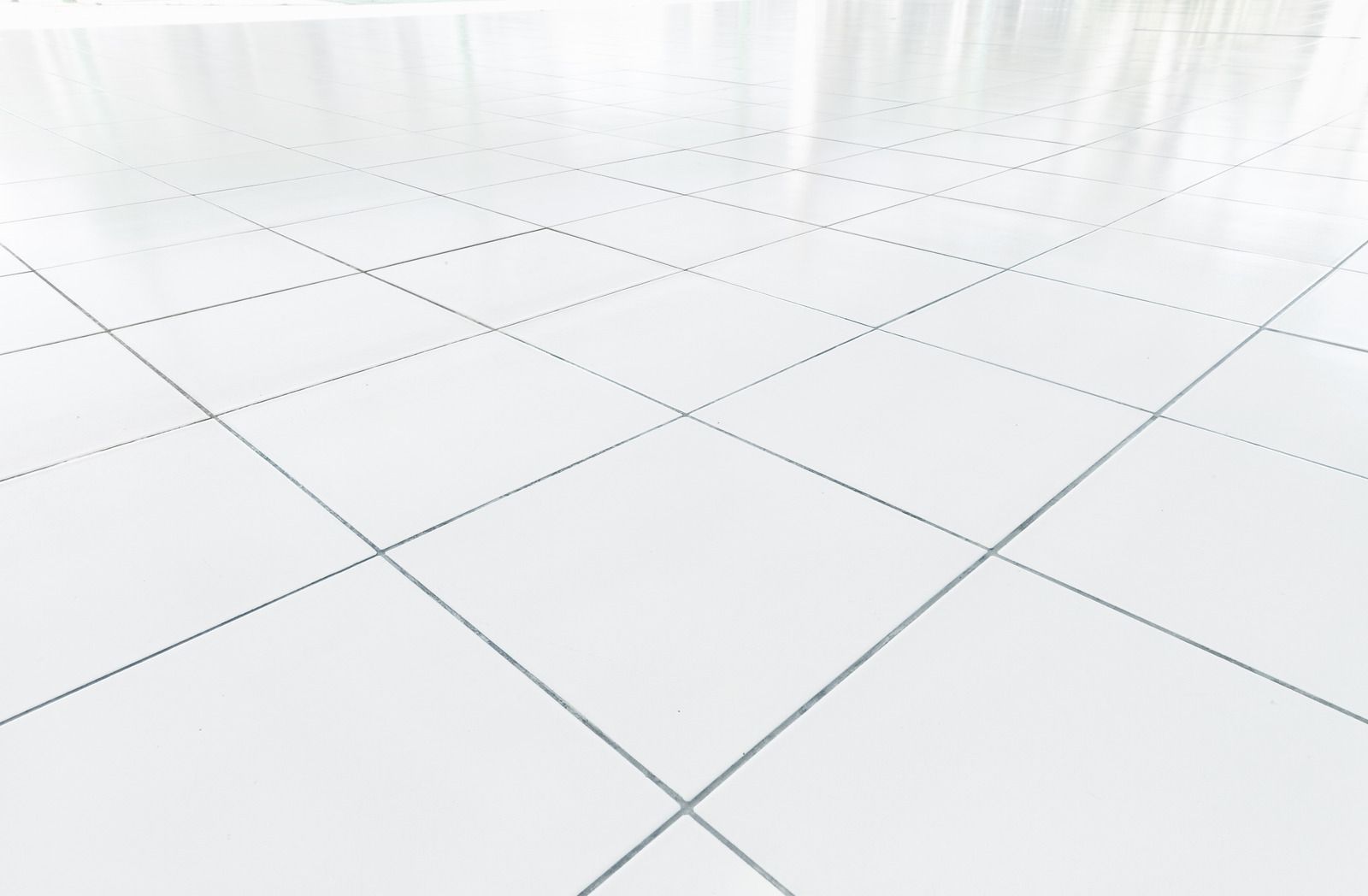
- Advantages of Tile Flooring:- Tile flooring, including ceramic, porcelain, and natural stone options, is prized for its durability and resistance to moisture, stains, and scratches. It’s an excellent choice for kitchens, bathrooms, entryways, and other high-traffic areas. Tile offers endless design possibilities, from intricate mosaics to large-format slabs, allowing homeowners to achieve a customized look. Tile is highly hygienic and easy to clean, making it suitable for families with children or pets. Its water resistance prevents mold and mildew growth, contributing to healthier indoor environments. Modern tile technology also allows for realistic textures and patterns, mimicking wood, stone, or concrete at a fraction of the cost of the real material.
- Drawbacks of Tile Flooring:- Despite its benefits, tile flooring has drawbacks. It can be cold and hard underfoot, making it less comfortable for extended standing or living areas. Installation is labor-intensive and requires skill, which can increase project costs. Tiles can crack if heavy objects are dropped, and grout lines may require periodic sealing to prevent staining or water penetration.
- Best Practices for Tile Installation and Maintenance:- Professional installation ensures even placement, proper adhesive use, and correct grout application. Regular cleaning with non-abrasive products maintains appearance and hygiene. Sealing natural stone tiles and grout lines helps prevent damage from moisture and staining, extending the life of your tile floor. Using rugs or mats in areas where people stand often can enhance comfort without compromising durability.
Vinyl Flooring: Affordable Versatility
Benefits of Vinyl Flooring
Vinyl flooring has surged in popularity due to its affordability, resilience, and versatility. Available in sheets, planks, and tiles, vinyl can replicate the appearance of wood, stone, or ceramic at a significantly lower cost. Its waterproof nature makes it an ideal choice for bathrooms, kitchens, and basements, where moisture exposure is common.
Vinyl is also low-maintenance, requiring only regular sweeping and occasional damp mopping. Its softness underfoot provides comfort, reducing fatigue in kitchens or play areas. With advancements in manufacturing, high-quality vinyl can resist scratches, dents, and fading, making it suitable for households with pets or children.
Limitations of Vinyl Flooring
Despite its many advantages, vinyl has limitations. It may not add the same resale value as hardwood or tile, and cheaper varieties can look artificial or wear unevenly. Prolonged exposure to direct sunlight can cause fading, while subfloor imperfections can telegraph through the material, affecting its appearance. Vinyl is also less environmentally friendly than natural materials, though some brands now offer recycled options.
Tips for Choosing and Maintaining Vinyl
Choose high-quality, commercial-grade vinyl for long-lasting performance. Proper subfloor preparation ensures smooth installation and prevents imperfections from showing. Avoid harsh cleaning chemicals, and use protective pads under heavy furniture to prevent dents or tears. For extra comfort, consider vinyl with an attached underlayment to reduce noise and provide additional cushioning.
Comparing Hardwood, Tile, and Vinyl: Key Considerations
Cost Analysis
Hardwood typically has the highest upfront cost, including material and installation. Tile can range from moderate to high depending on the type and design complexity. Vinyl is generally the most budget-friendly option, offering the appearance of high-end materials at a lower price point.
Longevity and Durability
Hardwood can last decades if maintained properly, with the ability to refinish multiple times. Tile is highly durable, often outlasting the building itself, but grout maintenance is required. Vinyl has a shorter lifespan, usually 10–20 years, but modern products are increasingly durable and resistant to wear.
Aesthetic and Design Flexibility
Hardwood provides natural beauty and timeless appeal, fitting traditional and contemporary spaces. Tile offers nearly limitless design options, suitable for bold or subtle aesthetics. Vinyl can convincingly mimic other materials while providing color and texture variety, making it highly adaptable to different interior styles.
Maintenance and Cleaning
Hardwood requires careful cleaning to avoid water damage and scratches. Tile is easy to clean but needs grout sealing to prevent stains. Vinyl offers low-maintenance cleaning with excellent stain and moisture resistance, making it ideal for busy households or rental properties.
Comfort and Feel
Hardwood provides moderate warmth and comfort underfoot. Tile is cold and hard, requiring rugs or radiant heating in living spaces. Vinyl is soft, cushioned, and quiet, offering comfort for long periods of standing or in areas where children play.
Environmental and Health Considerations
Hardwood is a renewable, natural material when sourced responsibly, but it requires energy-intensive processing. Tile is natural and durable, with low emissions, but production and transportation can impact the environment. Vinyl is synthetic and less eco-friendly, though recycled and low-VOC options are available.
Real-World Scenarios and Expert Recommendations
Homeowners with Children and Pets
Families often prioritize durability, comfort, and ease of cleaning. Vinyl and tile excel in high-traffic areas, with vinyl providing added softness and warmth. Hardwood can work well in living rooms or bedrooms but may require extra care to prevent scratches and dents.
Moisture-Prone Areas
Bathrooms, kitchens, and basements demand moisture-resistant flooring. Tile and vinyl are the top choices, with waterproof vinyl offering simpler installation and added comfort. Hardwood is generally avoided in these spaces unless engineered wood with moisture protection is used.
Investment and Resale Value
Homeowners seeking long-term investment benefits may favor hardwood due to its enduring appeal and ability to increase property value. Tile is also a strong option, particularly in luxury homes or spaces emphasizing design aesthetics. Vinyl provides affordability but may not contribute significantly to resale value.
Design and Style Priorities
For those prioritizing natural beauty and elegance, hardwood offers unmatched aesthetic appeal. Tile allows for bold patterns and creative designs, while vinyl offers the flexibility to mimic expensive materials without the associated cost. Combining materials—such as hardwood in living areas and tile in bathrooms—can optimize both style and functionality.
Maximizing Value With Thoughtful Flooring Decisions
Choosing the right flooring involves balancing aesthetics, functionality, and long-term value. Hardwood offers timeless beauty and durability but requires careful maintenance and higher investment. Tile provides exceptional durability, moisture resistance, and design versatility but can be hard and cold underfoot. Vinyl delivers affordability, ease of maintenance, and comfort, though it may not offer the same resale value or longevity as natural materials. By weighing factors such as cost, durability, design preferences, and lifestyle needs, homeowners and property managers can select flooring that meets their goals while enhancing the overall value and appeal of their spaces.
At Flooring Plus LLC
in Hollis, NH, we bring over 20
years of expertise in helping clients choose and install the
perfect flooring solutions. Our team works closely with you to understand your needs, guiding you through hardwood, tile, and vinyl options with professional insight and personalized recommendations. We ensure quality installation, expert advice, and long-lasting results that transform your home or business space. Trust us for reliable, expert flooring solutions backed by decades of experience.